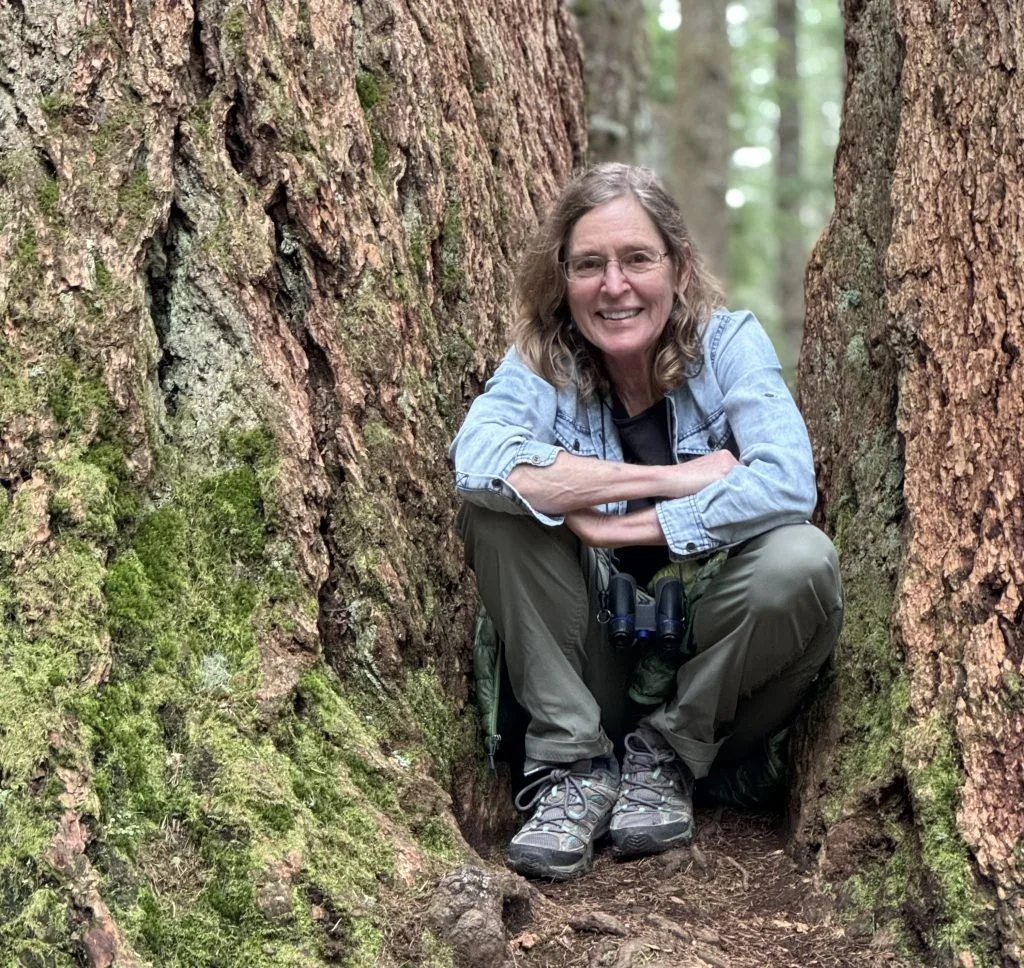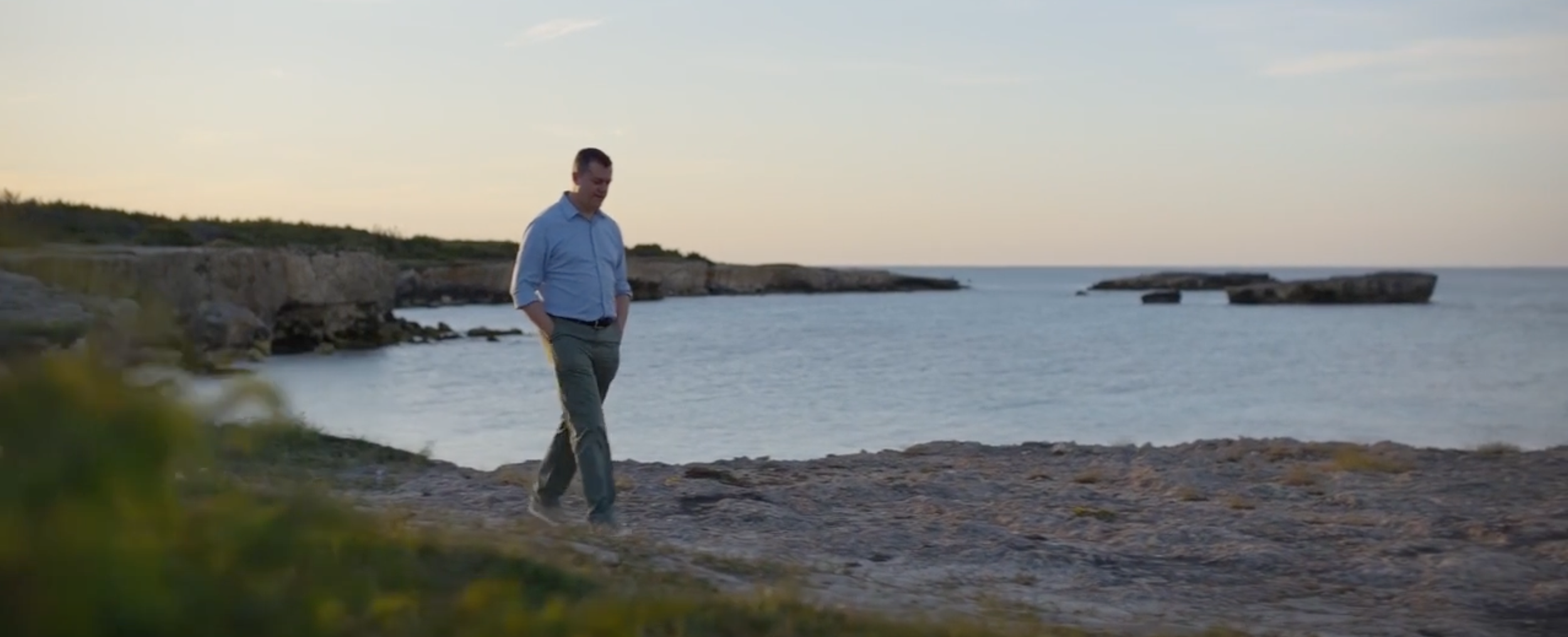
Episode 168: Mark Granlund - Art For Nature

Cove Edge (oil on cavas)

Mark Granlund is an artist, writer, and public art administrator who explores the personal experience of natural landscapes, human activity and contemporary culture. His work utilizes traditional genres of landscape and still life. In his landscapes, Granlund shares the rhythms, layers and patterns that he senses particular to the site, capturing the bodily experience of place.
On this episode of Nature Revisited, Mark recounts his formative experiences as a developing artist which led him to develop the particular approach, style and themes present in his works. He describes how his artistic process, materials, and motivations fit into a greater nature-conscious sensibility and how that extends into his writing and his work in public art administration.

[Mark’s Substack]

Glade (oil on canvas)

Water’s Edge (oil on canvas)

Cloud Over Lake Como (oil on canvas)

Episode 167: Eyal Frank - Environmental Economist

Eyal Frank is an Assistant Professor at the University of Chicago Harris School of Public Policy. Working at the intersection of ecology and economics, his research addresses three broad questions – how animals contribute to specific production functions, how market dynamics reduce natural habitats and biodiversity, and what the indirect costs of conservation policies are.

On this episode of Nature Revisited, Frank explains how these areas of research present causal inference challenges, as manipulating ecosystems and species at large scales is often infeasible. Citing real world examples such as the collapse of vulture populations in India due to a livestock medication, or the imbalance in insect populations due to declining bat colonies caused by white-nose syndrome, Frank describes how unintended side effects from disrupting the delicate balance of animal behaviors can lead to catastrophic economic results. By drawing natural experiments from ecology and policy, it is possible to employ econometric techniques to estimate different pieces of the puzzle regarding the social cost of biodiversity losses.

Episode 166: Stephanie McDonough - Farm To Table Kids

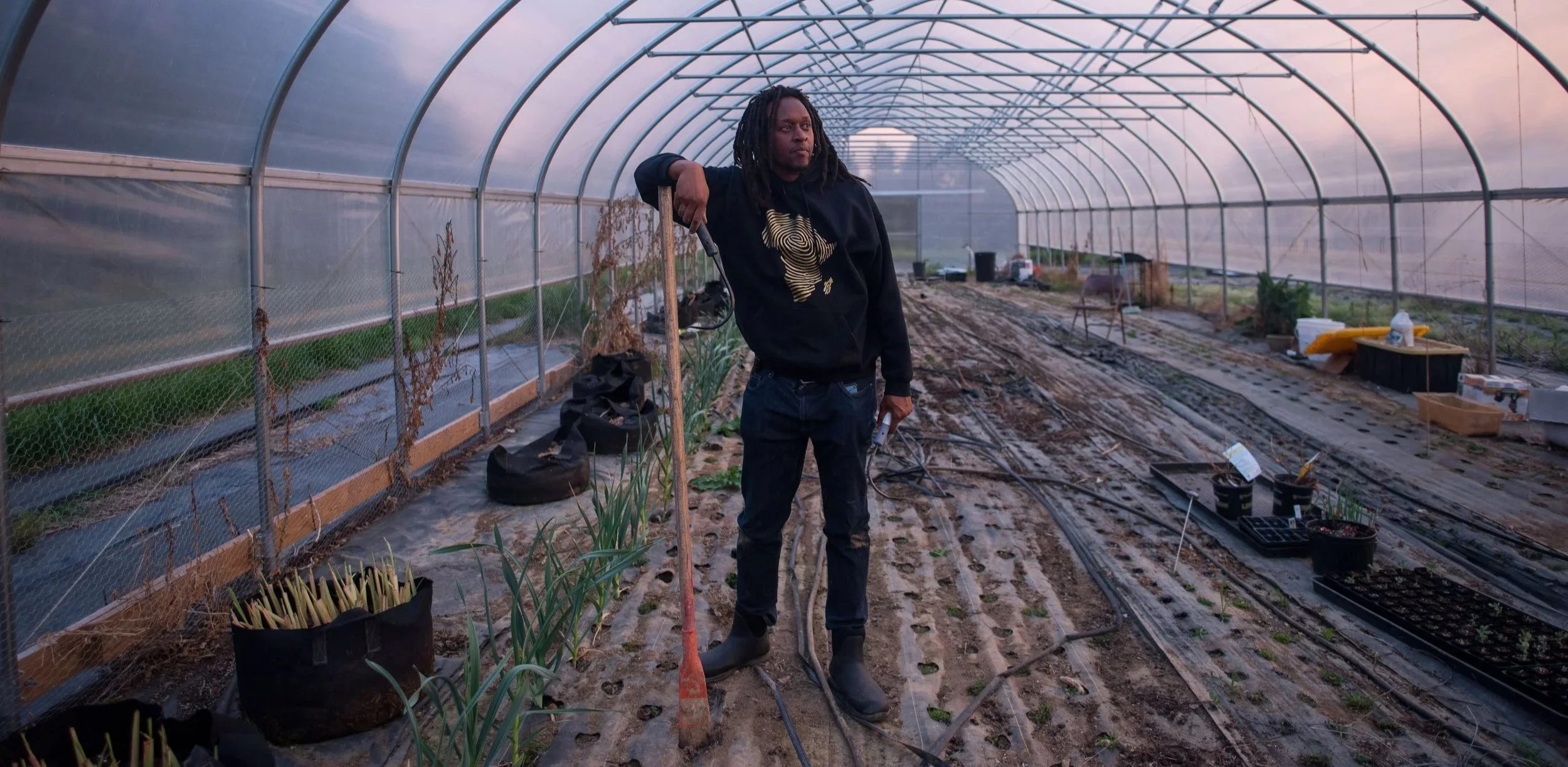
Stephanie McDonough is the founder of Farm To Table Kids, an educational movement that helps children connect with nature through regenerative gardening, farm to table cooking, and nature crafting.

On this episode of Nature Revisited, Stephanie aka 'Farmer Steph' recounts how her backyard project of introducing local kids to gardening transformed over time into a nationwide movement. With her partnership program sharing the Farm To Table Kids teaching model with schools, farms, and organizations, children are learning to nurture a lifelong appreciation for local agriculture and being empowered to see themselves as farmers, chefs, and helpful members of their communities.

Episode 165: Priyanka Kumar - The Light Between The Apple Trees

Priyanka Kumar is a prolific and widely published writer who has authored over a hundred essays and reviews on subjects including the high desert and bird migration. Her latest book The Light Between The Apple Trees brilliantly weaves together science and childhood memories with the apple’s storied history.

On this episode of Nature Revisited, Kumar invites us on a transformative journey to rediscover apples. Today we rarely encounter more than a handful of varieties, yet sixteen thousand apple varieties were once celebrated in America, their mature and wild orchards acting as havens for creatures from hummingbirds to bears and a living connection to generations past. Join us as Kumar unearths a rich and complex history of apples while illuminating how we can reimagine our relationship with nature.

Episode 164: Marcia Bjornerud - Turning To Stone

Marcia Bjornerud is an American structural geologist and writer. She is the Walter Schober Professor of Environmental Studies and Professor of Geosciences at Lawrence University. She is also the author of Timefulness, Reading The Rocks, and Turning To Stone: Discovering the Subtle Wisdom of Rocks.

On this episode of Nature Revisited, Bjornerud helps us interpret the language of the rocks that surround us, and reveals how our lives can be enriched by understanding our heritage on this old and creative planet. Earth has been reinventing itself for more than four billion years and rocks are the hidden infrastructure that keep the planet functioning, from sandstone aquifers purifying the water we drink to basalt formations slowly regulating global climate.

Episode 163: Amorina Kingdon - Sing Like Fish

Amorina Kingdon is a science journalist and fiction writer living in Victoria, British Columbia. While working as a staff writer and researcher for Hakai Magazine covering ocean and coastal science around the world, she became fascinated by underwater sound. The result is her recent book Sing Like Fish - How Sound Rules Life Under Water.

On this episode of Nature Revisited, Kingdon introduces us to the emerging science of just how many animals under water, from larvae to lobsters to sea lions, rely on—and are impacted by—sound. Sound travels four times faster under water than in air and conveys a wealth of information about food, threats, and the surrounding environment. Even animals that don’t speak or have 'ears' still find ways to listen. This is why the widespread din of ships, pile drivers, motorboats, sonar, air guns, and other human-made noise is so concerning.